Sports Betting Is Not a Financial Plan: How Men Can Recognize the Trap

Key Takeaways
Sports betting is a form of financial risk. It is not investing, reliable income, or a dependable side hustle.
Betting apps can encourage repeated gambling through promotions, notifications, status rewards, and the appearance of analytical control.
Recovery begins by stopping new losses, using self-exclusion, protecting essential expenses, telling someone the truth, and seeking gambling-specific support.
Sports betting is entertainment built around financial risk. It is not investing, reliable income, or a legitimate financial plan.
That distinction has become harder to see. A man can now study odds, build a parlay, move money, and watch results from the same phone he uses to manage his bank account. The process feels analytical. The interface feels professional. A win can feel like proof of skill.
But the sportsbook is not paying you for your knowledge. It is offering bets structured to protect its own long-term advantage.
For a man already dealing with financial pressure, the promise of fast money can be powerful. It can also create a sports betting trap that reaches beyond a bank balance. Daily betting can affect sleep, work, relationships, confidence, and a man’s ability to lead his life with discipline.
Recognizing that trap is not weakness. It is an act of ownership.
The Illusion of the Hustle: Why Betting Feels Like Investing

Many men treat sports betting like a side hustle because it offers the appearance of control during a period of real financial uncertainty. According to the Federal Reserve’s report on the economic well-being of U.S. households, only 66 percent of American adults ages 18 to 29 said they were doing okay financially or living comfortably in 2024. Housing costs, everyday prices, debt, and slower progress toward major goals can make traditional wealth building feel painfully slow. A same-day wager appears to offer a faster path.
The growth of online sports betting has placed that promise directly in a man’s pocket. Recent National Council on Problem Gambling survey data found that online gambling participation rose from 15 percent in 2018 to 22 percent in 2024. Among adults under 30, reported online sports betting also rose sharply between 2022 and 2025. Easy access does not automatically create addiction, but it removes the natural barriers that once limited how often a man could gamble.
Major sports betting apps such as FanDuel, DraftKings, and BetMGM can feel more like trading platforms than traditional casinos. Their interfaces may display changing odds, live statistics, account balances, trends, and green or red indicators. A man researches teams, compares numbers, and makes what feels like an informed position. His sports knowledge gives him confidence that he has an analytical edge.
The problem is that knowing a sport is not the same as beating the price offered by a sportsbook. Injuries, officiating, weather, player performance, and random events remain outside the bettor’s control. The bookmaker also builds a margin into the odds. An ordinary bettor can make several intelligent predictions and still lose money over time.
Promotions deepen the illusion. A “bonus bet” may feel like free capital, but it usually comes with conditions and is designed to encourage more activity. Parlays feel attractive because a small wager can produce a large advertised payout. However, every leg must usually win, and adding legs compounds the risk. In 2024, 30 percent of sports bettors reported making parlay wagers, up from 17 percent in 2018.
A financial plan builds assets through saving, productive work, ownership, and patient investing. A wager transfers money based on an uncertain event. One can strengthen your future. The other can quietly sell it.
Recognizing the Trap: Algorithms, VIP Status, and Warning Signs
Casual betting becomes a financial trap when gambling starts controlling your money, attention, or decisions. The clearest warning is not how much another man bets. It is whether your own behavior is moving against your responsibilities and values.
Online platforms can collect detailed information about account activity. That may include when a user logs in, what he bets on, how often he deposits, which promotions he opens, and when he stops playing. This data can be used to shape marketing and customer interactions. Notifications, odds boosts, and event reminders can then arrive with a level of relevance that makes returning feel natural.
VIP programs add another layer. Status levels, personal representatives, tailored bonuses, gifts, and special access can make heavy gambling feel like achievement. Regulators have previously identified cases in which VIP incentives encouraged people to gamble beyond their means. The label suggests that a man is valued, but his value to the operator is generally tied to how frequently or heavily he plays.
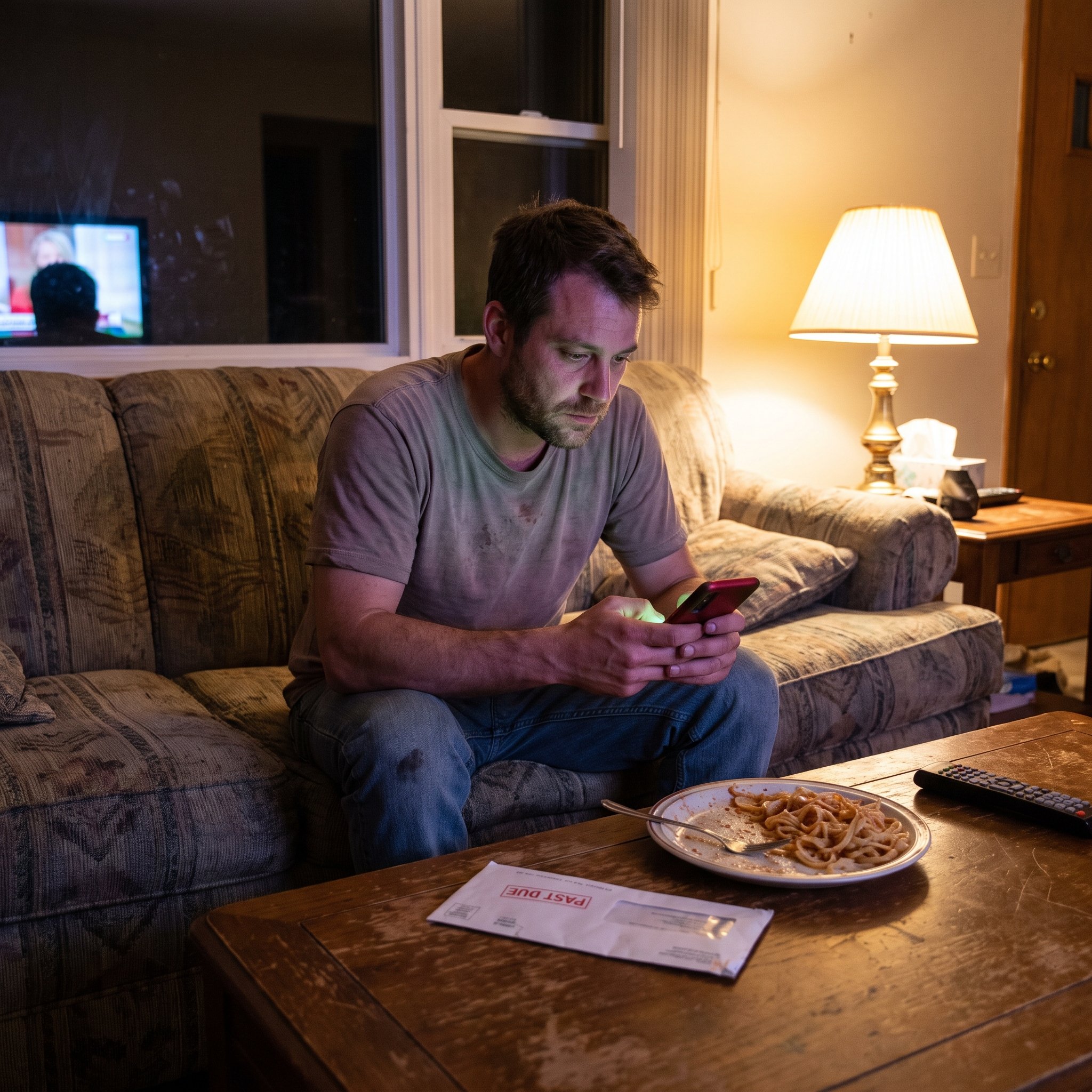
How Can I Tell If Sports Betting Has Become a Problem?
Have I used money needed for rent, food, debt, insurance, or family expenses?
If betting is competing with essential expenses, it has already crossed a serious financial boundary. Money required for responsibilities should never be exposed to gambling risk.
Do I increase my bets after a loss because I need to get even?
Increasing wagers to recover previous losses is called chasing losses. It often creates a cycle in which pressure replaces judgment and each loss produces a larger, riskier decision.
Have I borrowed money, carried credit card debt, or sold something to bet?
Borrowing or creating debt to gamble is a clear sign of financial harm. It means current income can no longer support the behavior.
Do I check lines, scores, and betting content throughout the workday?
Repeated checking can show that betting is consuming attention that belongs to work, family, health, or other responsibilities. The issue is not simply screen time. It is the loss of control over where your focus goes.
Have I hidden deposits or losses from my partner, family, or friends?
Secrecy is one of the strongest warning signs. Hiding account activity may temporarily protect your image, but it removes the honesty and support needed to stop the damage.
Do I feel restless, angry, or anxious when I cannot bet?
Strong emotional discomfort when betting is unavailable may indicate that gambling is no longer casual entertainment. These reactions deserve attention from a qualified professional.
Have I tried to stop and returned sooner than I planned?
Repeated unsuccessful attempts to cut back can indicate a loss of control. A stronger promise is rarely enough when the same access, triggers, and isolation remain in place.
Do I need larger bets to feel the same excitement?
Increasing wager sizes to recreate an earlier level of excitement may reflect growing tolerance for risk. It can quickly turn a manageable loss into serious financial damage.
Have betting losses changed my sleep, work, health, or relationships?
When gambling affects daily functioning, the cost is no longer limited to money. Lost sleep, reduced work performance, conflict, and emotional withdrawal are all forms of gambling-related harm.
Am I counting on a future win to solve a financial problem?
A future win is not a financial recovery plan. Depending on an uncertain outcome to pay debt or repair losses keeps a man tied to the same behavior that created the problem.
One “yes” deserves attention. Several suggest that betting is no longer casual. Any use of essential money, serious secrecy, repeated loss-chasing, or inability to stop is a reason to seek support now. You do not need to wait for complete financial collapse before taking action.
The Danger of Isolation and the Dopamine Trap

Men often hide gambling losses because disclosure feels like an admission that they have failed financially. A man may want to protect his image as a provider, partner, father, or disciplined leader. He tells himself that he will reveal the problem after he wins the money back.
That secrecy makes the damage worse. Hidden losses create pressure to recover quickly. Pressure leads to larger bets, more deposits, and riskier decisions. Each new loss becomes another reason to stay quiet. The man is no longer betting only for money. He is betting to protect the story he has told everyone around him.
Sports betting can also create a powerful reinforcement loop. Dopamine is involved in motivation, anticipation, and learning. Uncertain rewards can strongly reinforce repeated checking and betting because the brain does not know when the next win will arrive. Near misses, live betting, rapid results, and constant notifications can keep that loop active even when the overall experience has become painful.
The American Psychological Association’s overview of gambling and the brain explains that young people, especially boys and men, may be particularly vulnerable to gambling addiction. The Mayo Clinic’s guidance on compulsive gambling also identifies competitiveness, impulsivity, restlessness, and becoming easily bored as possible risk factors.
How long does a dopamine reset after gambling take? There is no reliable universal 30-to-90-day schedule for “resetting dopamine receptors” after quitting sports betting. Recovery varies by the person, the severity and duration of the behavior, sleep, mental health, stress, and access to support. Cravings or restlessness may begin improving over days or weeks, while triggers can return months later.
A better way to measure recovery is through behavior. Are you sleeping better? Is your attention returning? Can you watch a game without checking odds? Are you following a budget and speaking honestly about money? Those changes matter more than reaching an internet countdown.
Stopping the Bleeding: First Steps to Untangling Your Finances
The first priority is to stop new losses. Do not make one final bet to leave on a win. That idea keeps the cycle alive.
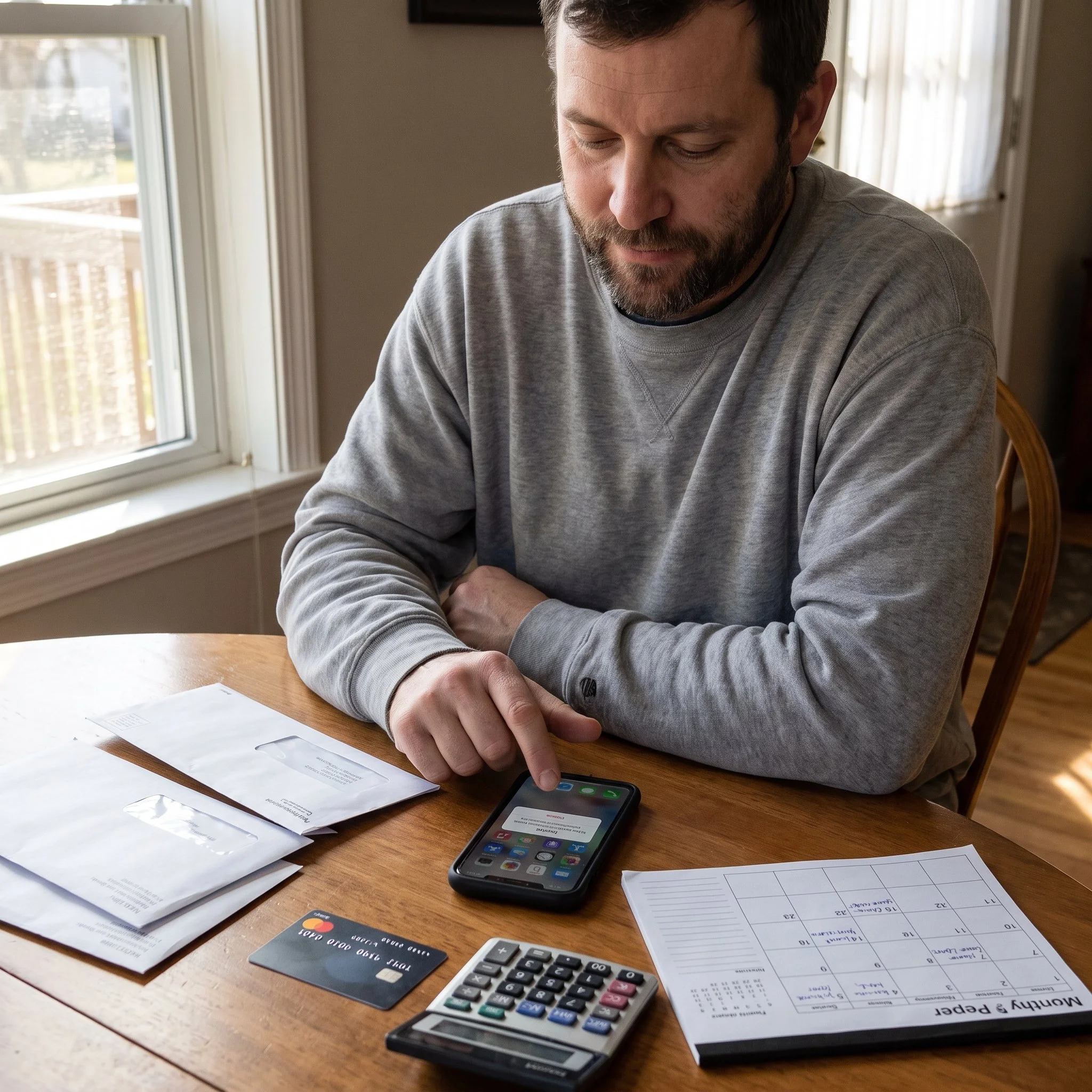
Take these steps immediately:
Use formal self-exclusion. Enroll in your state’s program and activate exclusion tools on every betting account. New Jersey residents can voluntarily exclude themselves from internet gaming and sports wagering through the New Jersey Casino Control Commission’s self-exclusion program.
Delete the apps and remove access. Log out of betting accounts, delete stored payment methods, unsubscribe from marketing, disable notifications, and block gambling websites where possible.
Call your bank or card issuer. Ask whether it can block gambling merchant transactions. Remove betting accounts from digital wallets. Replace a compromised card if necessary. Consider closing a credit card only after reviewing the possible effect on recurring payments and your credit profile.
Tell one trustworthy person today. Give that person the complete number, not an edited version. Ask for specific help with check-ins, account alerts, spending limits, or temporary payment oversight. Keep your own visibility into every account so support does not become loss of healthy financial control.
Complete a full financial audit. List every bank account, card balance, loan, unpaid bill, betting deposit, and available asset. Do not focus only on lifetime losses. Focus on what must be protected and repaired now.
Protect essential expenses first. Prioritize housing, food, utilities, transportation, insurance, taxes, minimum debt payments, and family needs. Pause nonessential spending while you create a realistic recovery plan.
Get specialized support. Contact the National Problem Gambling Helpline by calling or texting 1-800-MY-RESET. It provides free, confidential connections to local resources across the United States. In New Jersey, 1-800-GAMBLER remains an additional state resource.
Do not transfer complete financial authority to someone you do not trust. Do not take out a new loan to hide the loss. If debt has become unmanageable, speak with a reputable nonprofit credit counselor or qualified financial professional.
If gambling losses are causing thoughts of self-harm or making you feel unsafe, call or text 988 in the United States or contact emergency services now. Financial damage can be repaired. Your life cannot be replaced.
Why Willpower Isn't Enough: The Power of Brotherhood and Accountability

Willpower alone often fails because it becomes weaker under stress, exhaustion, shame, and easy access. A personal promise may feel strong in the morning and disappear when a live-game notification arrives at night.
A men’s support group changes the environment around the decision. Saying the truth out loud breaks the secrecy that protects the habit. Listening to other men describe chasing losses, hiding statements, and rebuilding trust can remove shame without removing responsibility.
Effective accountability is specific. It can include daily check-ins, shared financial goals, proof that exclusion tools remain active, and direct conversations when old patterns return. A strong circle does not humiliate a man. It reminds him of the standard he chose before a craving gets to make the decision.
Peer support is valuable, but a general men’s group should not be treated as a replacement for gambling-specific care. Clinical guidance recommends trained treatment, peer support, and coordinated help based on the severity of the harm. A licensed therapist, gambling treatment service, or Gamblers Anonymous meeting may be necessary alongside broader brotherhood and accountability.
Rebuilding financial discipline requires more than refusing a bet. It requires a new system for stress, money, competition, and connection.
Redirecting Your Drive: Finding Your Circle with Agora Guild
The competitive drive behind sports betting is not automatically a weakness. It can become strength when it is directed toward goals that produce lasting value.
Instead of studying parlays, a man can study his cash flow, career path, health, or business. Instead of chasing the emotional rush of a win, he can pursue measurable progress in fitness, fatherhood, leadership, faith, and meaningful work. The objective is not to become less driven. It is to place that drive somewhere worthy of it.
About Agora Guild

Agora Guild is a men’s community built around kindness, strength, chivalry, leadership, accountability, family, health, purpose, and personal growth. Its mission is to help driven men become better across every major area of life through stronger relationships, meaningful conversations, and a culture of action.
Agora Guild’s public membership information describes weekly strategic calls, accountability check-ins, and private community access for $150 per month. Those features may complement a recovery plan by giving a man stronger routines and relationships.
However, Agora Guild does not publicly present itself as a gambling treatment program. A man dealing with sports betting addiction should use gambling-specific support and professional care when needed. Before joining, he should also ask directly how the community handles financial accountability and whether its structure fits his current recovery plan.
Is an Agora Guild membership worth the investment after financial losses? It may be valuable if the fee fits a written budget, essential expenses are protected, and the man wants broader accountability for rebuilding his life. It is not a positive return if paying $150 causes another missed bill or delays necessary treatment. Integrity requires making that decision from the real numbers.
To find the right circle, start with the National Problem Gambling Helpline, Gamblers Anonymous, local treatment providers, trusted faith communities, and established men’s groups. Ask how confidentiality works, how often members meet, and whether the group provides clear accountability. Then consider Agora Guild for the wider work of strengthening health, relationships, purpose, leadership, and long-term financial discipline.
You do not have to win back every dollar before you reclaim your direction.
