The Ultimate Men’s Community Comparison Guide: Finding Purpose, Brotherhood, and Confidence
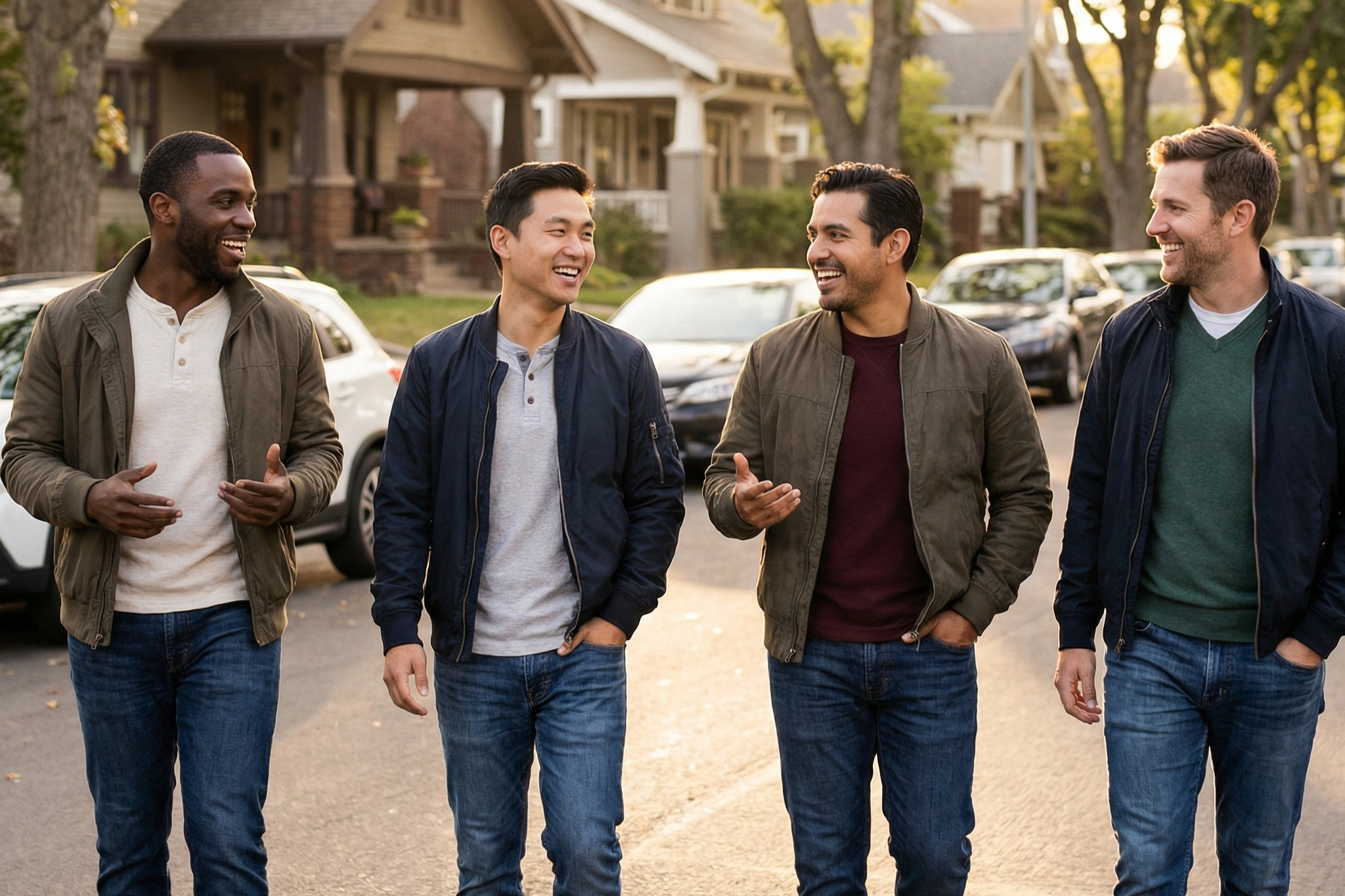
Modern men often feel stuck—isolated at home, unsure of their role, and bombarded by endless social media comparisons. Traditional masculine roles have eroded, leaving many men feeling marginalized and uncertain. Economic pressure and social isolation add to the sense of being “left behind” in a fast-changing world. Men today also spend more time online, where they constantly compare themselves to polished images of success, which perpetuates feelings of inadequacy. As a result, many men struggle to define a clear purpose and lose confidence in their own path. The good news is that daily habits and supportive communities can break this cycle.
What daily habits rebuild authentic confidence? Small, consistent actions are key. Research shows that daily habits shape how you view yourself, and small, achievable wins build lasting confidence. For example, setting and celebrating small goals each morning trains your mind to expect success. Likewise, physical exercise releases dopamine and endorphins that boost mood and motivation. Simple routines like a brisk morning walk, a short strength workout, or even a few minutes of stretching can anchor your day with a sense of accomplishment.

Other powerful daily practices include:
Mindfulness or Meditation: A short daily meditation or breathing exercise helps you stay present, calm anxiety, and notice negative self-judgment without getting caught in it. Even 5 minutes can gradually retrain your brain to focus on the here-and-now instead of past regrets or future fears.
Positive Self-Talk: Replace harsh inner criticism with affirmations. For example, notice thoughts like “I’m not good enough” and gently counter them with “I’m learning and growing.” Over time, this rewires your confidence.
Digital Detox: Reduce time on social media or news that triggers comparisons. Curating your media intake eliminates the “highlight reels” of others and protects your mental space. Try designating screen-free periods each day (no email or social media before noon, for example) to ground yourself and limit negative comparisons.
Gratitude Journaling: Every evening, write down 2–3 things you’re grateful for. This simple habit shifts focus away from what’s lacking to what’s working, recalibrating your brain toward positivity.
Continuous Learning: Take initiative to learn a new skill or pursue a personal project, even just 15–30 minutes a day. Each time you complete a small task or learn something new, your self-efficacy grows.
Crucially, making community part of your routine is itself a transformational habit. Studies show that men with supportive peers experience higher self-esteem and life satisfaction. When you “show up” for other men – whether that’s a weekly call, local meetup, or a group chat – you reinforce your own commitment to growth. Over time, these intentional habits compound: your physical health, mindset, and confidence strengthen, and you start to rediscover purpose. Taking action toward a community becomes the ultimate habit to break stagnation – because real momentum often begins not in isolation, but in shared commitment to change.
The Science of Brotherhood: Accountability and Authentic Leadership
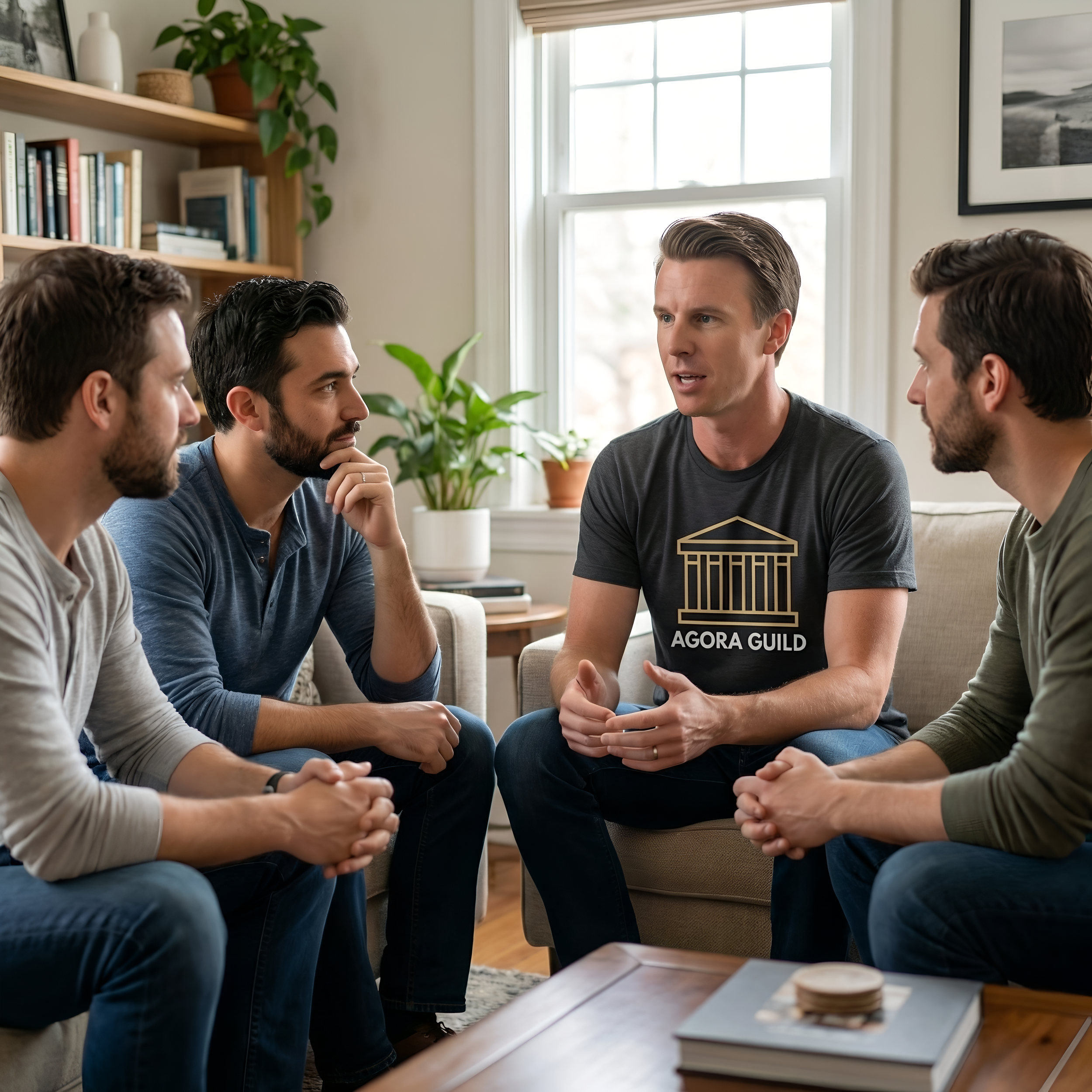
Men’s communities aren’t just nice-to-have clubs – they’re powerful accelerators of growth. How does a structured men’s community accelerate personal growth and accountability? The answer lies in psychology: human beings are wired to thrive in groups that set high expectations and mutual support. In a well-run men’s group, positive peer pressure and supportive accountability push each man to live up to his potential. When you tell a group of brothers your goal, you’re more likely to follow through – because you don’t want to let them down. This “circle of accountability” gives every member constructive feedback and encouragement. Dan Gaffney, a psychotherapist, notes that men’s groups create “supportive nudges,” where members hold each other to their goals and commitments with encouragement, not judgment. Over time, this shared commitment means negative habits (like procrastination or self-doubt) are called out and broken by the group’s honest feedback.
Psychologically, peer groups can produce what therapists call pro-social modeling: seeing other men work on their lives normalizes vulnerability and progress. As one participant shared after an intensive weekend group, having a “circle of men who absolutely tell you the whole truth” can shatter limiting beliefs and ignite new growth. In short, men’s communities are like a force multiplier – the synergy of shared effort propels everyone further, faster than isolated hustle.
What is peer accountability and how does it break negative cycles? Think of accountability as a kind of “gentle peer pressure” toward your best self. In practice, it works because you’re giving updates and making commitments in front of others. If you slack off, you owe the group an explanation. This mechanism leverages human psychology: we hate letting people down and crave social approval. According to research on peer support, groups can significantly improve goal-setting and self-efficacy by making people feel invested in each other’s success. In men’s groups, accountability isn’t about blame – it’s about integrity. Members learn to speak truth with compassion: sharing “hot seat” coaching where one man focuses on an issue and the group coaches him on it. Over time, this breaks old patterns of isolation and secrecy. As Dan Gaffney puts it, a men’s circle offers a “judgment-free zone” to expose and rewire unhealthy habits.
A surprising key to these groups is safe emotional vulnerability. Many men grew up hearing “big boys don’t cry,” but modern leadership research says the opposite: true masculine leadership requires authenticity and empathy. In a structured brotherhood, vulnerability is recast as a strength – sharing fears and struggles builds trust, not weakness. For example, when a man admits he’s anxious about his future or regretful about past mistakes, other men (who likely feel the same) listen and support him. This process is incredibly healing. Members find that “real strength lies in showing up, telling the truth, and being emotionally connected”.
This emotional openness has ripple effects: men who practice vulnerability in the group often become more authentic partners at home and more empathetic leaders at work. Instead of bottling emotions, they learn to communicate effectively and handle conflict calmly. In fact, studies of MKP (the ManKind Project) show that men who do this work experience less depression and more emotional expressiveness. In short, stepping into brotherhood teaches men to redefine strength. As Gaffney writes, leading with vulnerability – showing up as your real self – becomes the new definition of a powerful leader. It transforms men into partners and bosses who listen, adapt, and inspire rather than just command.
By integrating these psychological principles, men’s communities help members become better friends, fathers, and partners too. When men learn to express themselves openly among brothers, they bring those communication skills home. The trust and empathy practiced in the circle make them more patient with their children, more attentive to spouses, and more present with colleagues. In essence, bonded accountability and openness forge leadership qualities that no solitary effort can match.
What to Expect: Masterminds, Goal-Setting, and Daily Support
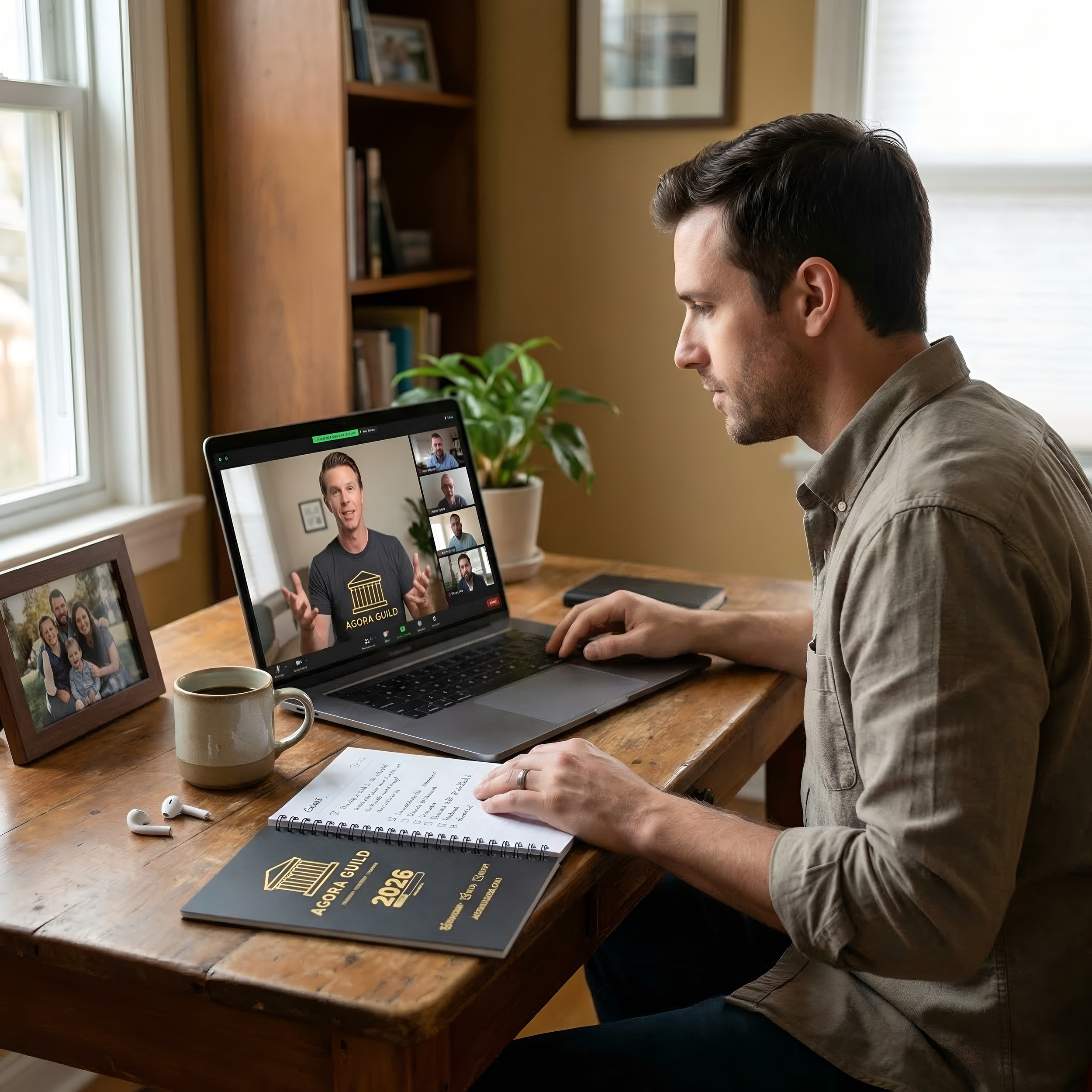
Joining a men’s group can feel mysterious if you’ve never done it, but in reality it’s a structured, step-by-step process. What should a man expect during his first virtual men’s group or weekly mastermind call? Most groups start with simple introductions and agreements. On the first call, you’ll likely go around the (virtual) circle and share your name, where you’re from, and a brief personal check-in. The facilitator will establish ground rules like confidentiality and respect to create a “safe container.” You might even do a brief icebreaker or vision exercise. Many groups use a “hot seat” format at times, where one man at a time presents a current challenge or goal, and the others offer focused feedback or coaching. This feels intense at first, but it’s designed so you always leave with practical insights. In fact, in Agora Guild’s weekly calls men can expect “goal-setting workshops” and even “Wildest Dreams vision sessions,” so that every gathering yields real strategies. Newcomers are often surprised to find how welcoming and normal these calls become – within a few sessions, sharing openly with other men feels natural because everyone has similar fears and aspirations.

How do structured goal-setting frameworks help high performers stay aligned?
High performers often juggle too much without a clear roadmap. This is why many modern men’s groups build in proven frameworks for goals. For example, Agora Guild sessions include weekly accountability check-ins and extended sessions where each man clarifies his quarterly or yearly objectives. These frameworks might use principles like setting SMART goals, breaking them into 90-day plans, or envisioning one’s “Wildest Dream” and reverse-engineering the steps. The group format ensures you don’t wander off track: when you announce your goal for the week to the circle, you’re motivated to follow through. Over time, this keeps your everyday activities aligned with your core values. In practice, high-performers report that writing goals down, sharing them publicly, and then discussing progress every week prevents drift. The leader or facilitator guides you to focus on what matters most. The result is that small daily tasks add up to meaningful advancement in career and family life, rather than getting lost in busywork.

How do daily digital check-ins and structured peer support work for busy professionals?
Between weekly calls, consistency matters. That’s why most groups have a private online channel or chat. For instance, Agora Guild uses a dedicated WhatsApp group so members can post wins, ask quick questions, or simply encourage each other every day. Evryman similarly offers a “Community Chat”, allowing men to stay connected between calls: “Share wins, get reality checks, and keep your momentum”. In practice, this means if you hit a setback – say, you overslept and missed the gym – you can message the group and get a friendly accountability nudge or just vent. When you achieve something great, the group celebrates with you. This real-time interaction helps busy professionals who can’t attend more than an hour or so per week, because it keeps them engaged in bite-sized ways. Even 5-minute check-ins on your phone maintain a sense of momentum. Many members say that simply knowing someone will ask “How’d that go?” makes them more likely to follow through on commitments. Over time, daily digital support turns isolated tasks into a team effort.

How do you translate mastermind insights into your family and career?
The best advice is to take one insight from each call and make a concrete plan to implement it that day or week. For example, if your group suggests delegating a task at work to free up time, schedule that delegation right after the call. If a fellow member coaches you on showing more vulnerability with your spouse, you might choose to have a heartfelt conversation that evening. Practically, many men keep a journal of the key takeaways from group meetings and note one action item per insight. Then they treat it like any other obligation – put it on the calendar or to-do list, and check in on it next week. Another strategy is to debrief your spouse or close friend (if they’re supportive) on what you learned, which reinforces the lesson and often brings fresh perspective. Over time, integrating group learnings becomes natural: business productivity tools, relationship exercises, or mindset shifts introduced in the group begin to appear in daily life.
How do in-person catalyst events and weekend retreats solidify virtual bonds?
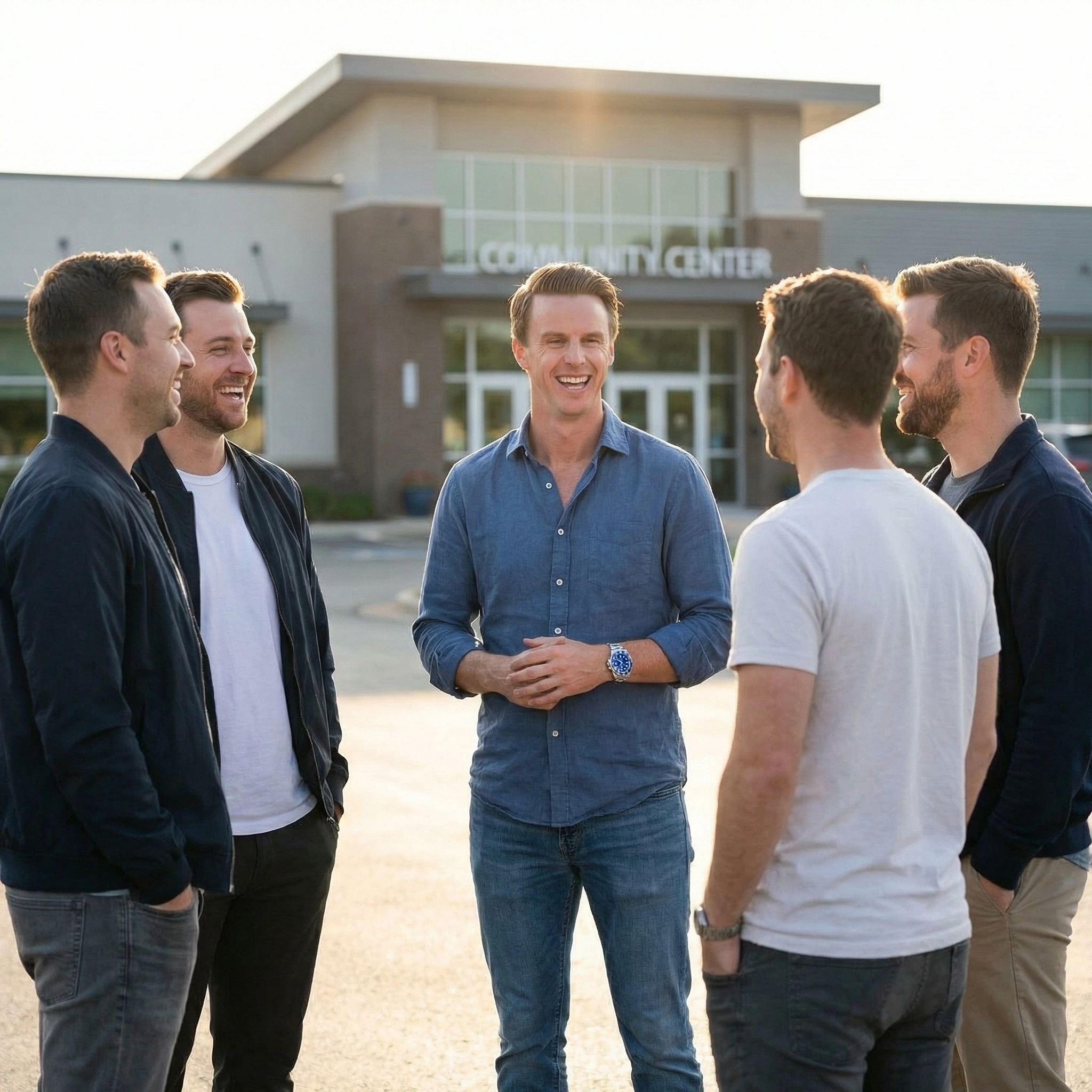
No online group can replace face-to-face connection, so the best communities also host live experiences. Agora Guild, for example, organizes curated in-person events – from full-day workshops with powerful speakers to weekend retreats and even informal dinners and workouts. These occasions take the bonds formed online and bring them into real life. Imagine spending a weekend camping with your group, or sharing a meal where you finally meet the voices you hear in Zoom calls – the trust deepens instantly. These retreats often include immersive activities and structured bonding exercises, so men feel like brothers by the end. Evryman and similar networks do this too: Evryman calls their outings “Epic Experiences” (hikes, cookouts, etc.) where “your group connects with your local chapter for real-world reps – and every outing ends with a circle of real talk”. In practical terms, these in-person meetups reinforce commitment: you’ve invested time and emotion in a friend you actually met, so you’re more likely to keep showing up online. They also provide breakthroughs that are hard to get virtually – seeing friends struggle together on a hike or sharing emotions around a campfire often creates breakthroughs that accelerate personal growth. In short, digital connection plants the seeds, and live events make the brotherhood bloom.
Men’s Group Comparison
When choosing a program, it helps to see how each option stacks up. Below is a comparison of Agora Guild alongside popular alternatives like ManKind Project (MKP), Evryman, and WYSER, as well as traditional one-on-one coaching:
| Program | Price (Approx.) | Commitment | Focus | Structure & Format |
|---|---|---|---|---|
| Agora Guild | $150 per month (flat rate) | Weekly 1–2h group calls + daily chat + occasional retreats/events | Holistic self-improvement, peer accountability, high-performance support | Live weekly calls (coaching & goal workshops), private WhatsApp group for daily check-ins, plus periodic in-person retreats |
| ManKind Project (MKP) | ~$700 one-time (NWTA weekend) + free ongoing groups | 48-hour initiation event + voluntary ongoing men’s circles (2–4h/month) | Deep emotional work, initiation rites, life purpose | In-person 2-day New Warrior training, followed by monthly local “Integration Group” circles (peer-facilitated) |
| EVRYMAN | $30 per month (first call free) | Weekly 1h online calls + daily online chat + in-person outings | Practical brotherhood, consistency, leadership by action | Online weekly discussion calls, private community chat, plus local adventures (hikes, cookouts) with group sharing |
| WYSER Men’s Group | ~$40 per month ($10/week) | Flexible (self-paced courses & optional group calls) | Personal development through education, self-discovery, skill-building | Web/mobile app with on-demand courses, activities, discussion groups; occasional live workshops; accountability via content and community |
| 1-on-1 Coaching | $1,500+ per month (varies widely) | 1–4 sessions per month + self-work | Personalized strategy, accountability, and feedback | Private video/phone sessions with a coach; no built-in peer group or community support |

Agora Guild’s model stands out for its modern, all-in-one approach. For the same $150 monthly flat fee (quite rare among men’s programs) you get everything: weekly strategic calls, a thriving private chat, in-person events and retreats. By contrast, MKP requires a large up-front cost for one initiation weekend, then relies on volunteer leaders for follow-up groups. Evryman is very affordable at $30/month, but it focuses heavily on activities and conversation, whereas Agora pairs discussion with structured coaching (mindset, goal-setting) every week. WYSER is the cheapest at $10/week, but it’s largely content-driven (courses and challenges) rather than real-time interaction. In other words, WYSER feels more like Netflix for personal development, while Agora Guild feels like a live mastermind group with a daily support network.
Accountability-wise, Agora Guild offers more direct touchpoints than WYSER: members have a real person tracking their goals each week, rather than relying on prompts or self-reporting. And unlike one-on-one coaching – which can run well over $1,500 per month – Agora’s community provides daily checks and weekly strategy sessions for a fraction of the cost. Traditional coaching may offer personalization, but it often lacks the peer support element. In Agora Guild you not only learn from coaches but also with and from other high-achievers. As a result, many see much higher ROI: you pay ~$150 instead of thousands, yet still get intensive accountability.
In summary, Agora Guild compares favorably: its structured access model combines the commitment of a program like EVRYMAN with the depth of focus found in MKP, all for one low flat rate. The table above highlights that Agora delivers a broad package (weekly calls, daily community, retreats) that overlaps multiple categories of support – something none of the alternatives offer at the same price point.
Evaluating Your Fit: The Agora Guild Model and Next Steps
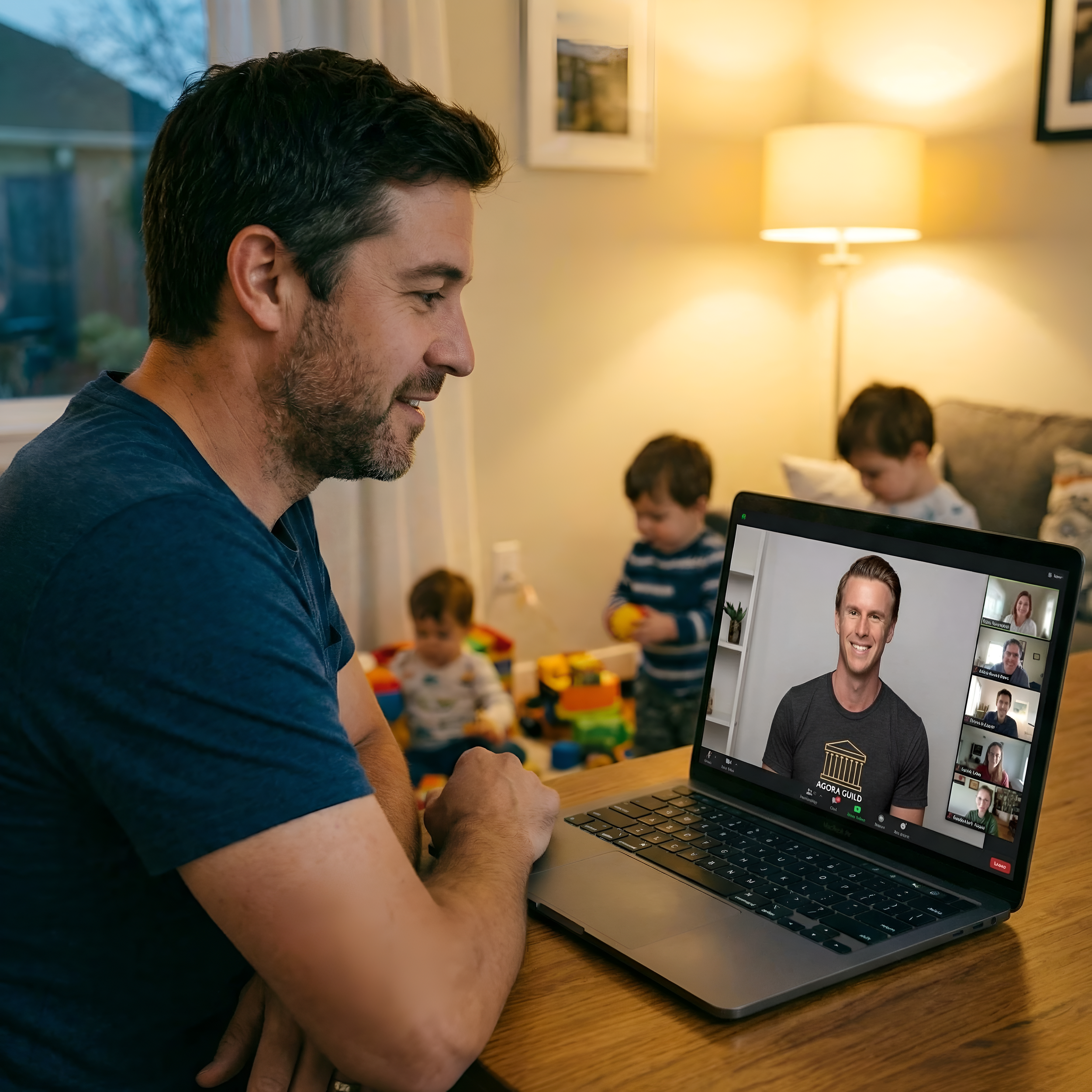
Does Agora Guild’s flat-rate model provide enough daily support to get men unstuck?
Absolutely. At just $150/month, Agora Guild includes weekly group coaching calls, a private WhatsApp community for daily accountability, and regular live events. That means consistent, multifaceted engagement: each week you have at least one long session for deep work, plus daily check-ins to keep you on track. This combination of frequency and variety means you’re never “going it alone.” Psychology tells us that frequent reminders and small wins (even from a brief message or quick peer cheer) compound into big breakthroughs. In practice, men in Agora report that the daily chat and calls are more than enough to maintain focus. Compared to traditional coaching (where you might only speak to your coach once or twice a month), Agora provides continuous support. It’s designed to be “powerful growth made accessible”, with no hidden fees or upsells.
What happens during a men’s group discovery call and how do you know if it’s the right fit?
The discovery call is a conversation, not a sales pitch. Expect the facilitator (often the founder or a senior member) to ask about your goals, frustrations, and what you’re looking for. They’ll share the structure of the group – how often it meets, the topics covered, and the culture. You might be asked to describe your ideal outcome or a challenge you want to tackle. This is also your chance to ask questions: for example, inquire about the group’s values, attendance expectations, and examples of past successes. Good questions to ask include: “What kind of commitment do members make?”“Can you give examples of the community’s most common backgrounds?” and “How do you handle confidentiality and trust?” This helps you gauge if you would feel comfortable opening up.
As you listen, consider how the group’s vibe and methodology align with your own goals. Does the coach seem experienced and genuine? Do the community values (support, honesty, growth) match what you need? You might also request to see a sample call or chat with an existing member to get a feel for the group dynamic. Evaluate honestly: if you thrive on structure and challenge, Agora’s weekly sessions might be a perfect fit; if you prefer casual chats or are hesitant to share emotionally, you should decide if you’re ready to stretch yourself.
Ultimately, trust your instincts. A good discovery call will leave you clearly knowing what to expect and feeling comfortable with the people and process. Agora Guild emphasizes a no-pressure trial: many men say after the first call they felt excited and relieved to have found “a crew” that understood them.
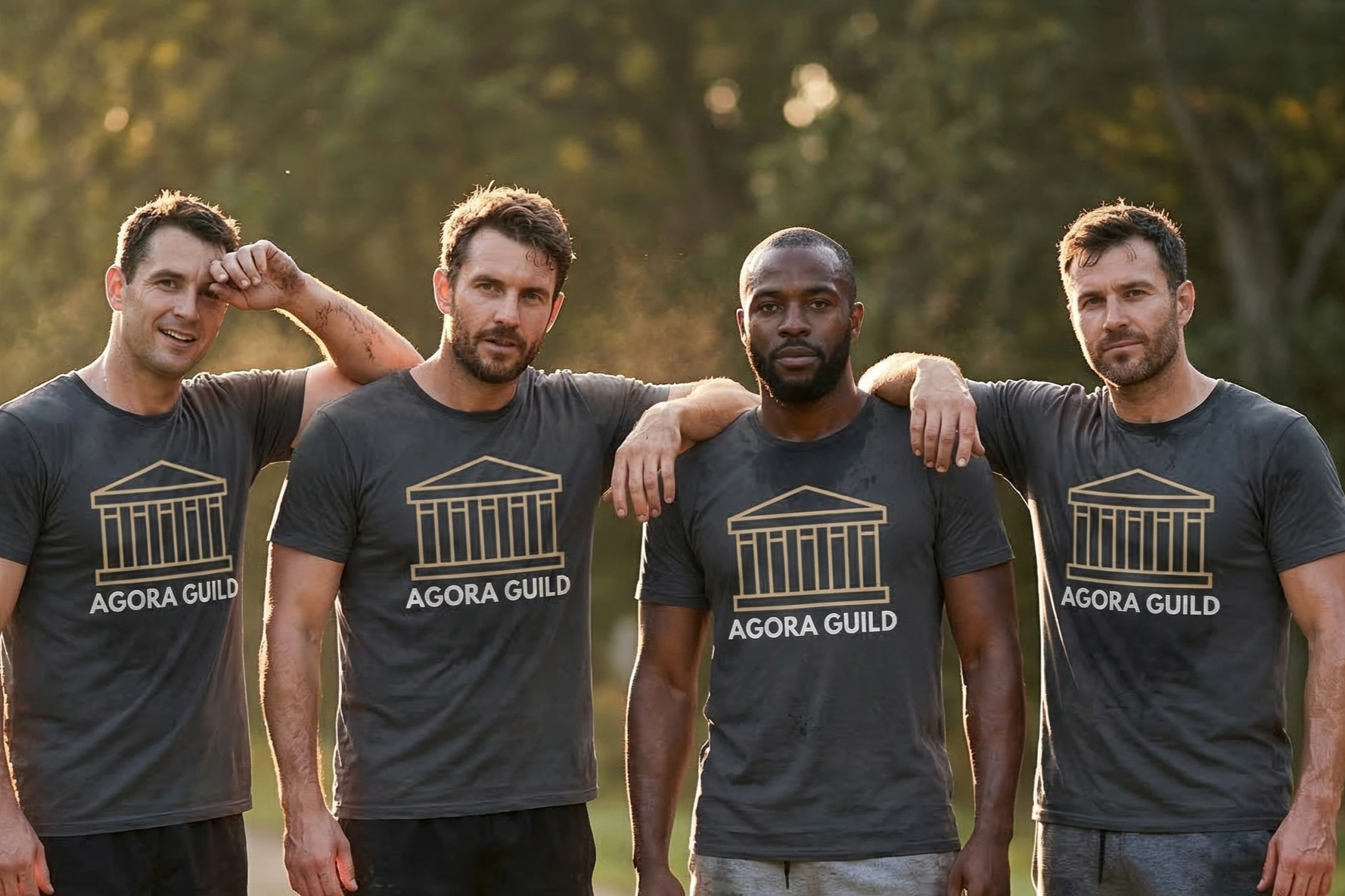
In summary, Agora Guild’s model delivers robust daily and weekly support in a single affordable plan. If the community’s mission — to cultivate kindness, strength, and accountability among men — resonates with you, the next step is easy: book your discovery call, bring your questions, and see if this brotherhood can help you become more. The path to greater purpose and confidence is always smoother with allies at your side. Ready to stop navigating life’s challenges alone? Book your discovery call with Agora Guild today and join a community dedicated to helping you become more. Together.
